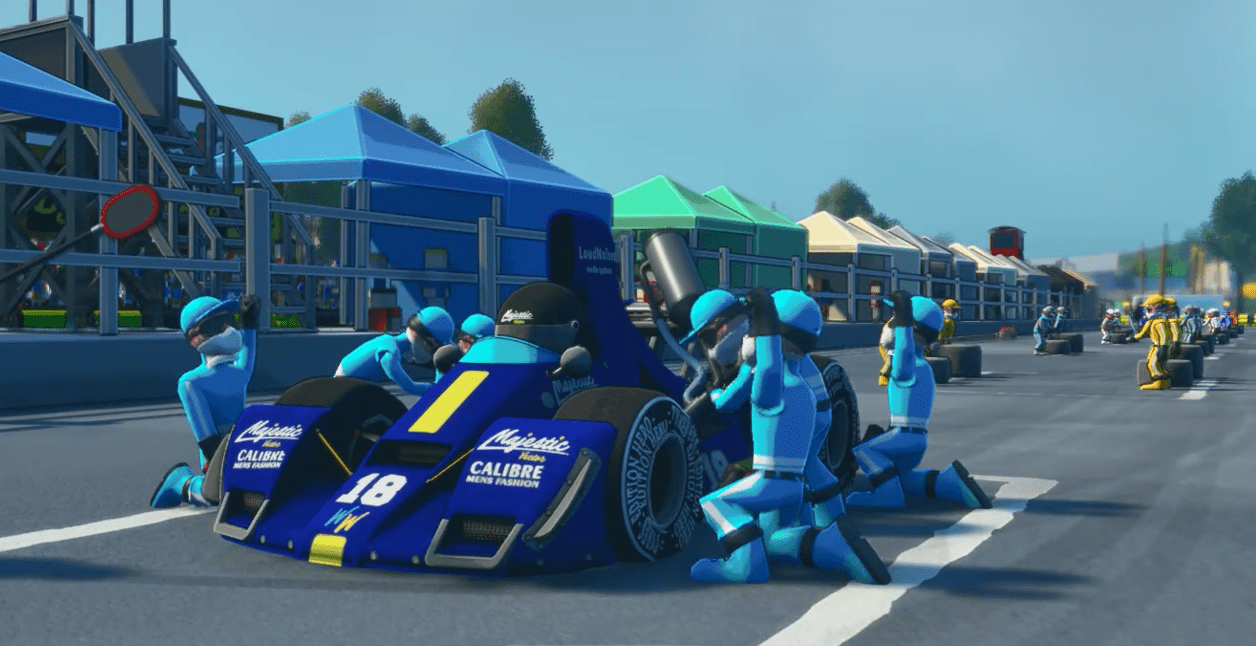
Yet another race of shifting compounds reached its finale with a plethora of one-stop strategies in Texas. In 2025, it feels like we’ve reached the end of this set of regulations as a qualifying championship. As the field is so close, the performance overlap is less obvious, meaning competitors do not have so much of a delta advantage, that overtaking becomes easier. With monoculture strategy, we lose another aspect of the race. If I were in charge, I’d force everyone to use all three dry tyre compounds.
F1 hasn’t felt like it’s been a marathon sprint for a while, as tyres, fuel, and battery usage means that there is a heavy amount of car management. One way to spice things up is to adopt a Formula 2 style mandation of using all tyre compounds. In F2, a mandatory pitstop is required after the sixth lap, whether that is soft to hard, or hard to soft. Interestingly, you aren’t mandated to run at least six laps on both compounds. This means you could run to lap 32 of 35 on hard tyres and do three qualifying laps at the end of the race to burn out your softs and take full adventage. I think something similar could work for F1, and I’ve been suggesting it for years.
How three tyre compound races could work
Currently F1 has five compounds of dry tyre, and when choosing the compounds for each circuit, they often pick compounds that are close together. As we saw in COTA this weekend (2025 if you are reading this long into the future), it was easier to eek out the soft and medium compounds and not touch the hards. What if, everyone was forced to use the hard compound? What if compounds were not close to each other, but actually larger gaps. Think C1 (super soft), C3 (medium), and C5 (very hard), rather than say a C2 (soft), C3 (medium), and C4 (hard). This means the delta between different compounds would be wider, and inevitably at least one compound wouldn’t be in the ideal working window to run effectively. It creates the delta differences, as well as corner grip and acceleration traction differences to generate potential overtaking.
The thing I go back-and-forth on personally, is if all three tyre compounds are mandated, what is the minimum distance, time, or lap requirement allowed? This is quite tricky to get right, and forces a decision on whether any laps under virtual or real safety car count.
An obvious choice is to mirror F2, and force at least 6 laps on each of the three tyre compounds. Another idea could be to use percentages. Mandate that at least 15% or 20% of each race distance must be done on each of the three compounds. The percentages might be less interesting and more complex to convey to audiences though, as the lap count will change round to round, and it negates track length as a factor. Driving 6 laps around Spa versus 6 laps around Red Bull Ring – they aren’t the same challenge of softer compounds. I think you are damned either way on whether you allow or disallow safety car laps to count, so I think I’d allow it. It is rare for more than 6 continous laps to happen under the safety car, but switching it up for 15% or 20% removes that issue entirely. I’d hate to see a situation where everyone does their stops behind the safety car, which pulls in on lap 13 and its a no-stop race to the flag.
Red flag rules currently allow someone to change tyres, and that could still be allowed, but it is only treated as mandatory if the minimum stint has been completed. It is rare that more than one red flag happens in a race, but if that scenario cropped up more often, I’d be inclined to ban red flag tyre changes.
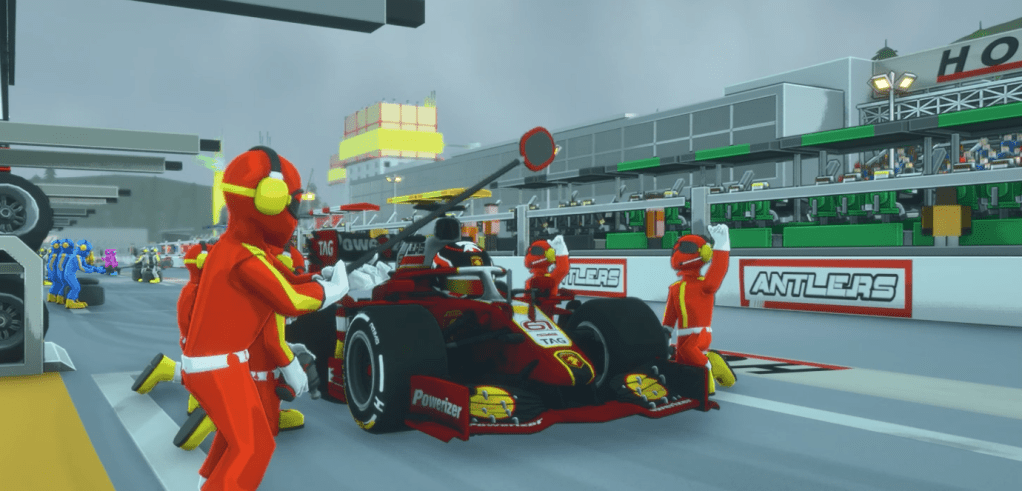
Lastly, if it rains, then all bets are off. Just like it is now, if a track is declared wet, there are no mandatory compounds to run.
A few crazy ideas
There are a few more leftfield ideas that could throw in some curveballs, too.
Tyre allocations sometimes mean that the harder compound isn’t used until race day. I like the idea of holding a compound back so that teams cannot get the data on what is working, but maybe that tyre compound needs to be chosen (at random) on arrival at a circuit. When data is limited, an element on unpredictability creeps in.
Borrowing from the reverse grid lottery draw from BTCC, maybe picking the first lap a mandatory pitstop can be made from by a draw from the polesitter could add an unusual twist. Balls containing the numbers 7 – 12 could be selected. This would likely push most starters into medium and hard tyres if the number is high, but not always. The other idea is to lottery draw how many laps the minimum stint per tyre compound should be. Along a similar vein, perhaps the third compound could be decided on race day in a draw. These all feel a bit gimmicky, but it’d make for some potentially weird mashups!
The elephant in the room is refueling. F1 cars are so heavy now, and with 100% sustainable fuel due to be a big thing, should F1 reconsider its approach to refueling? It would certainly put the sustainability drive into the spotlight, and would make the short stints on softer tyres even faster as the cars would weigh less,too. If refueling returned, it would prevent the “extend this stint” mentality for looking after tyres, as unless you completely ruined them, you’d run out of fuel before you ran out of tyres. With less maintainence, perhaps races would be more flat out.
The last thing to mention is how tyres are built. All the compounds are usually competitive. The difference between them can be 0.4 of a second, and sometimes up to 0.8 between the widest gaps. I think the difference should be wider, if not doubled. Considering most of the field at the moment is covered by 1.5 seconds, imagine the leader on the hardest compound running 1.5 seconds slower than expected, whilst those towards the back started on the sofest and fancy hassling the rest. Different strategies with a wider tyre performance range would make finding the gap in traffic to make a clear, clean stop far trickier than it is now. Leaders might have to stop regardless of traffic around them and be forced to do the overtakes to stay in the race. A midfielder could run soft, medium, then hard, but end up leapfrogging a front-runner earlier on if they were doing the opposite strategy. If the medium was decent too, by the time the hard compound runners pitted, they might still emerge behind the midfeider. It would mix things up if the performance gaps between compounds were wider.
The downside of a three compound race
Some of the best races involve a difference of pitstop strategy, but it isn’t always compound, it’s stop number. Back in the refueling era, having someone on a one stop vs a two stop meant that they’d overlap each other and would need to pass each other on track. Similarly, two vs three stops can trigger similar races, although the chance to leapfrog someone through the stops is greater as there’s more stationary time. By mandating three compounds, we likely erase this potential, unless the tyres that are being built go back to the fragile state they were around the 2012 era of shreading tyres everywhere.
As always, being a rule maker is never easy. These are just some personal ideas, but they could spark some conversations. Critique with ideation is just being loud and miserable, and that’s not what Higher Plain Racing is about. Let me know your thoughts in the comments.

Higher Plain Racing is part of the Higher Plain Network – a one-man indie media project. If you like what I do, please consider supporting me on Patreon for as little as $1/£1 a month. In return, you’ll receive additional perks for supporting me, such as behind-the-scenes content and free downloads. You can also donate using PayPal. Sharing the website helps too. All your support will enable me to produce better content, more often. I’d love to make this a full-time media network and your support can make that happen. Thank you.
Discover more from Higher Plain Racing
Subscribe to get the latest posts sent to your email.
 Higher Plain Racing